Some years ago, I sat in a review meeting for a maternal health programme funded by international donors. The room was full of good people. Smart people. People who genuinely cared. The project had saved lives, and I am proud of the years I spent working on initiatives like that one, from World Bank and USAID supported programmes to Nigeria’s SURE-P maternal and child health work.
But I left that meeting with a question that never left me.
What happens when the funding cycle ends?
The honest answer, too often, is this. The project closes. The reports are filed. The staff move on. And the community goes back to waiting for the next donor.
That question followed me out of the development world and into business. It is the reason I have spent the last 15 years building companies instead of programmes. And it is the reason I want to say something today that may sound uncomfortable.
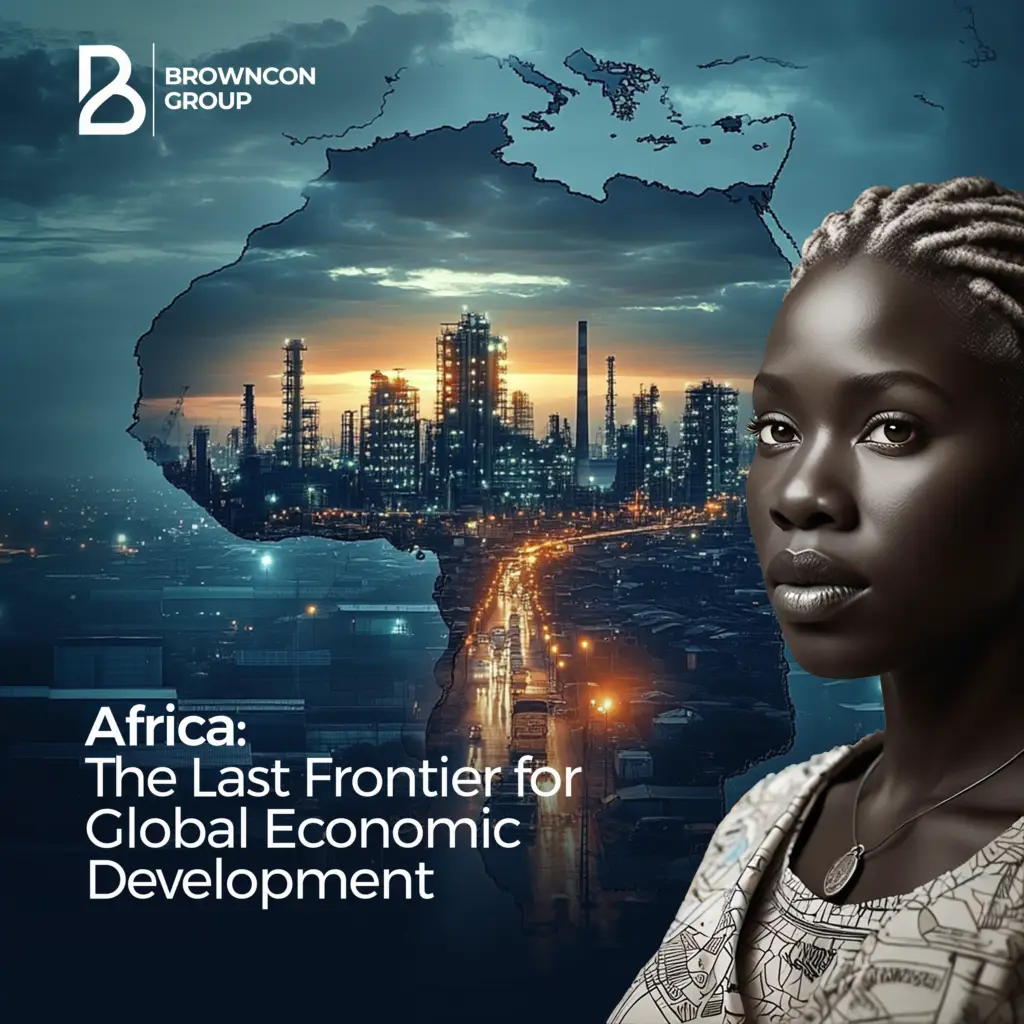
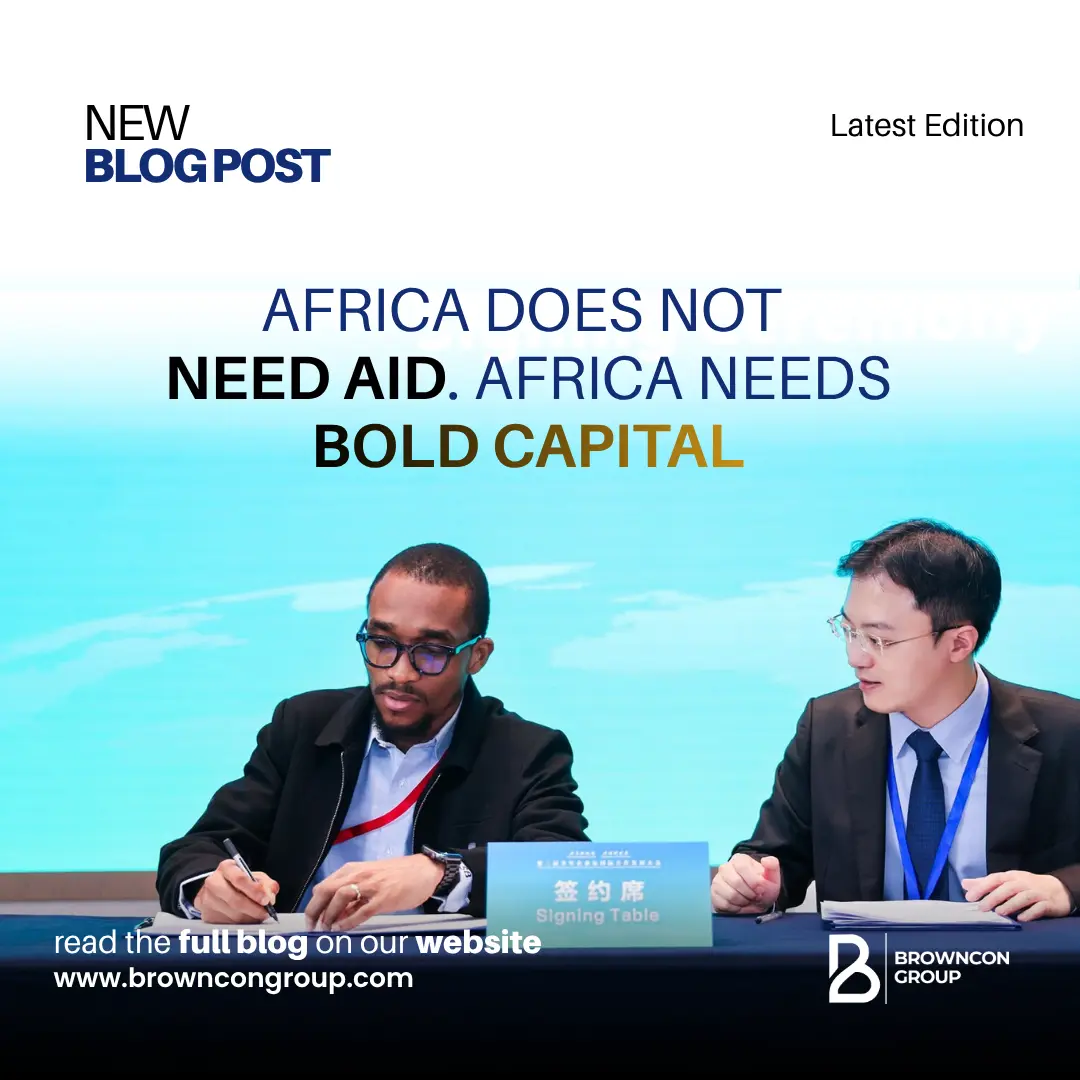
Africa does not need more aid. Africa needs bold capital.
Let me explain, with numbers, not emotions.
By most estimates, Africa has received more than one trillion dollars in foreign aid over the past six decades. One trillion dollars. That is more than the GDP of most nations on earth.
Now look at where we stand. Africa holds about 18 percent of the world’s population and produces roughly 3 percent of global GDP. Sixty years of generosity did not close that gap. It managed the gap. There is a difference, and the difference matters.
Here is what I learned working inside the system. Aid funds projects. Capital builds companies. Aid has a closing date. Capital has a compounding date. Aid asks, how do we help people survive this year. Capital asks, how do we make people prosperous for fifty years.
Think about the psychology of each. Aid creates a relationship between a giver and a receiver, and that relationship keeps the receiver kneeling. Capital creates a relationship between partners, and partners stand upright. Dignity is not a soft benefit. Dignity is the whole point. A continent that owns its businesses owns its future. A continent that rents its progress from donors will always be one funding cycle away from collapse.
I am not saying aid is useless. Aid saves lives in emergencies, and it should. I have seen it happen with my own eyes. But aid was never designed to build an economy. It was designed to relieve pain. You cannot relieve your way to prosperity. You build your way there.
Let me define my terms, because this phrase matters to me.
Bold capital is patient, courageous, African-led investment that builds businesses solving real problems at scale, and stays long enough to compound.
Bold capital is not charity wearing a suit. It is not impact washing. It is investment that respects Africa enough to expect returns, and respects Africans enough to build with them, not for them.
When I mentored over 40 African businesses through the African Entrepreneurship Award, a one million dollar initiative powered by BMCE Bank of Africa, I saw what happens when you give an African entrepreneur capital instead of sympathy. They do not just survive. They hire. They expand. They pay taxes. They mentor the next founder. That is the multiplier aid can never produce.
If you think this is sentiment, look at the numbers. The investment opportunities in Africa today are backed by the strongest demographic and economic fundamentals on the planet.
And then there is Nigeria, my home. About 230 million people today, projected to reach 374 million by 2054. On track to become the third most populous country on earth and the fourteenth largest economy by 2050.
Tell me again why the world sees this continent as a charity case instead of what it actually is. The last great frontier of global economic growth.
Ten years ago, I started what became Browncon Group. The name came from Brown Conglomerate Group, and it began with a simple observation. The things people need most are often the things they have least access to. A safe place to live. A way to grow their money. A business they can depend on. An opportunity that can change the direction of a life.
Today, Browncon operates across 9 sectors in 7 countries, from Nigeria to Ghana, Kenya, Malawi, Rwanda, the United Kingdom and China. Investment. Finance. Real estate. Clean energy. Construction. Automobile. Consulting. Technology. Climate action. More than 9 subsidiaries, one mission. Build sustainable businesses in Africa and beyond.
Let me give you the texture of what that means.
Our investment arm has served over 420 clients and investors, disbursing and investing over 1.45 million dollars, with fixed deposit products built on safety, sustainability, trust and value. Our consulting firm started in Kano in 2016 and grew into a multinational practice serving over 143 clients from offices in Abuja, Kano, Lagos and Accra. Through Reyfield Properties, we are building sustainable homes, because a continent adding over a billion people cannot treat housing as an afterthought. Through our clean energy work, we are betting that Africa will power its rise without repeating the carbon mistakes of the last century. And through ventures like Raha, a hybrid digital bank I co-founded, and Quantum Partners, our venture capital and private equity play, we are building the financial rails the next generation of African businesses will run on.
Our portfolio stands at over 5.2 million dollars today. That is modest by global standards, and I say that with pride, because every naira and dollar of it is compounding inside African businesses, paying African salaries, solving African problems. We are also working toward what we believe can become Africa’s first Green Climate Finance institution, because the future of capital on this continent must be green or it will not be at all.
We did not wait for permission. We did not wait for a donor. We built.
To African entrepreneurs. Stop building for grant applications. Build for customers. A business that cannot survive without a grant is not a business yet. Make something people will pay for, then make it excellent.
To the diaspora. Your remittances keep families alive, and that is honourable. But imagine if even a fraction of that money became ownership instead of consumption. Shares instead of handouts. Equity instead of emergency transfers. You are not just senders of money. You are the continent’s most patient investors, and it is time you got the returns to prove it.
To global investors. The risk you fear in Africa is mostly the risk of the unfamiliar. You price what you do not understand as dangerous. Meanwhile, the returns you chase in saturated markets get thinner every year. The greatest risk of this decade is not investing in Africa. It is watching the next two decades happen without you.
Here is my proposition, and I will put it plainly.
The last trillion dollars came to Africa as aid, and it managed our poverty.
The next trillion must come as capital, and it will build our prosperity.
Africa does not need saving. Africa needs backing.
The future of a sustainable Africa lies in our hands. Not in the hands of donors. Not in the hands of conferences. In our hands.
Let us build.
Why does Africa need investment instead of aid?
Aid funds projects with closing dates, while investment builds companies that compound. After more than one trillion dollars in aid over six decades, Africa still produces roughly 3 percent of global GDP. Capital creates jobs, tax revenue and ownership. Aid manages symptoms. Capital builds economies.
What is bold capital?
Bold capital is patient, courageous, African-led investment that builds businesses solving real problems at scale, and stays long enough to compound. It expects returns, shares risk and respects Africans as partners rather than beneficiaries.
Is Africa a good place to invest in 2026?
Yes. Africa’s economy is projected to grow 4.2 percent in 2026 according to the African Development Bank, faster than most regions. With 2.5 billion people projected by 2050, 5.6 trillion dollars in consumer and business spending, and a single market of 1.4 billion people under AfCFTA, Africa offers the strongest long-term fundamentals of any emerging market.
What are the best sectors to invest in Africa?
The strongest opportunities sit in financial services, real estate and housing, clean energy, construction and infrastructure, technology, and manufacturing. These sectors directly serve Africa’s fast-growing, urbanising population, and they are the sectors Browncon Group operates in across 7 countries.
Who is Dr. Samuel Ndubuisi-Brown?
Dr. Samuel Ndubuisi-Brown is the Group CEO of Browncon Group, an African conglomerate building sustainable businesses across 9 sectors in 7 countries. He is a serial entrepreneur and investor with over 15 years of experience, a mentor to more than 40 African businesses through the African Entrepreneurship Award, and a co-founder of Raha and Quantum Partners.
Dr. Samuel Ndubuisi-Brown is the Group CEO of Browncon Group, a multi-sector business group building sustainable businesses in Africa and beyond. Learn more at browncongroup.com.